Category: Uncategorized

  • English Channel – 10 July 2011

    The English Channel is the 21-mile crossing from England to France. It’s the classic, the one everyone has heard of, the one I walked away from as a boy, the reason I started again decades later.

    As well as the distance, the cold and the weather, the challenge is finding a slot. The number of attempts is limited across one of the busiest shipping routes in the world, where large vessels aren’t going to stop.

    Facts & Background

    • Distance: 21 miles (34 kilometres)
    • Route: Dover, England, to the French coast near Calais
    • Governing body: Channel Swimming and Piloting Federation (CS&PF) or the Channel Swimming Association (CSA)
    • Cost (as at 2011): £2,300 for pilot escort, plus a £260 fee to the CS&PF
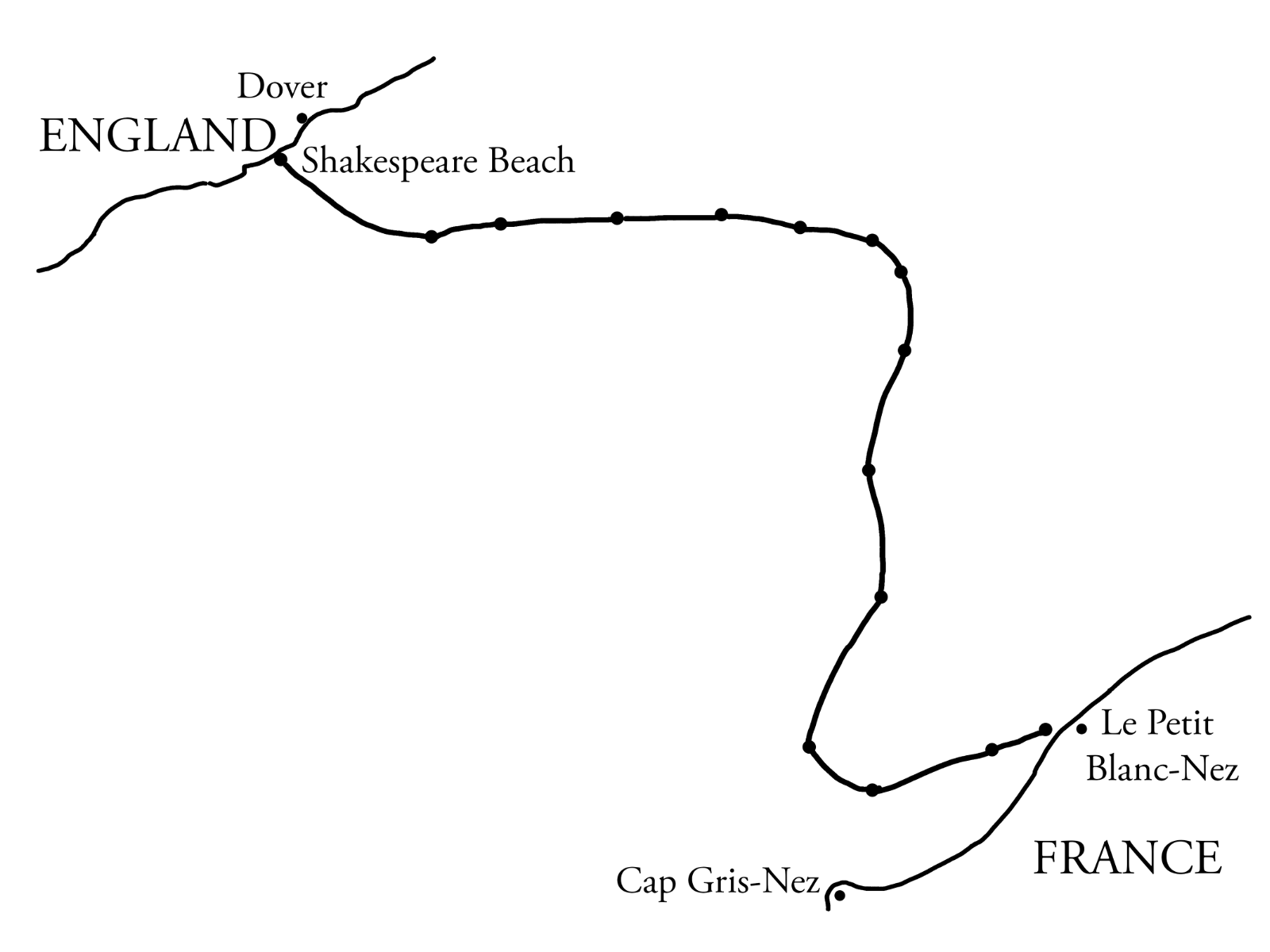
    Map of the English Channel swim route

    The English Channel is the benchmark of long distance swimming. Tides produce a distinctive S-shaped track, and swimmers can cover up to 35 miles through the water, the extra distance created entirely by currents.

    The first crossing was made by Captain Matthew Webb in 1875, a triumph that captured the public imagination and proved long distance swimming as a serious endurance pursuit. The next did not occur until 1911, the gap highlighting his achievement.

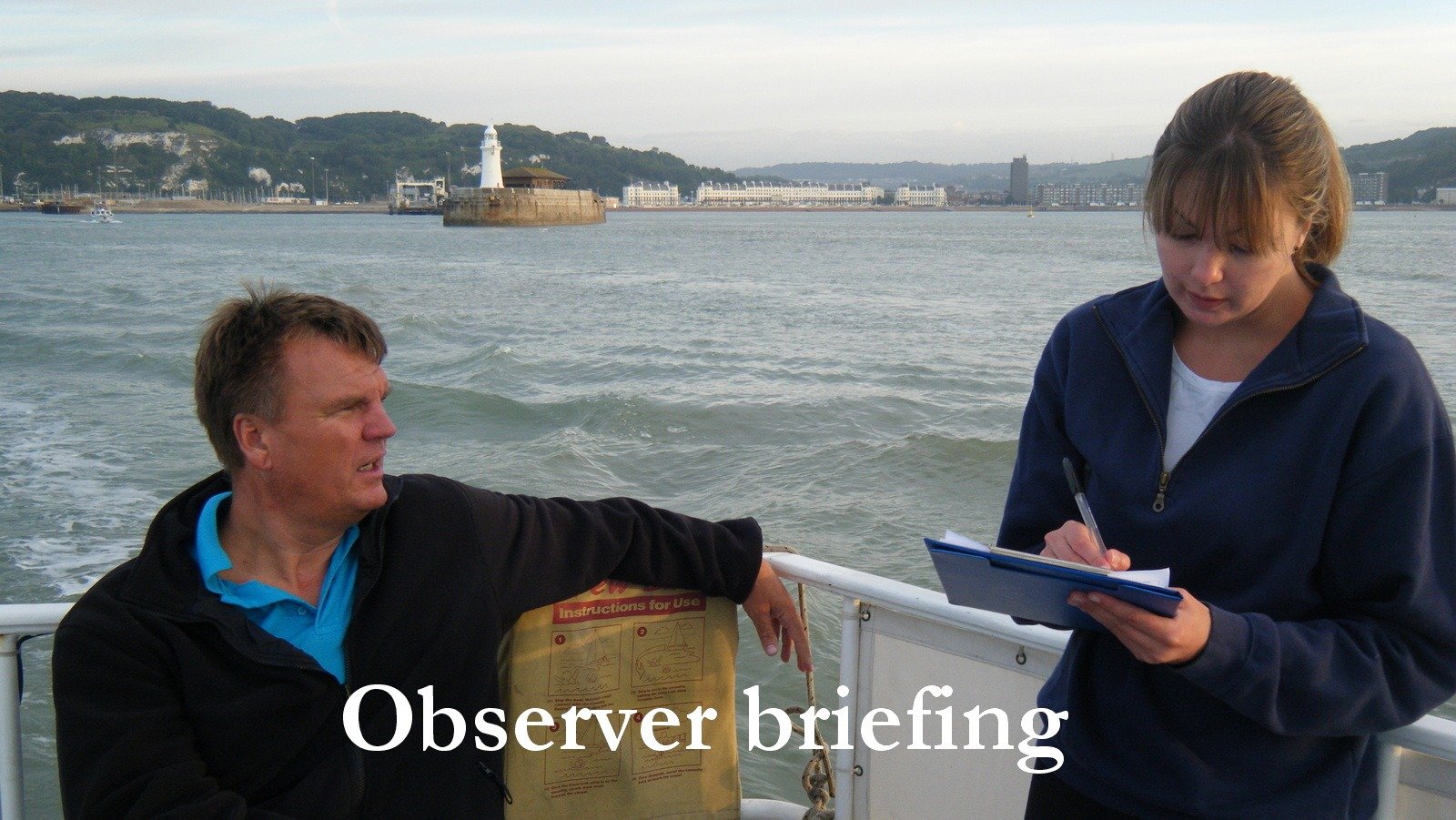
    The Channel is the busiest shipping lane in the world so only 12 escort boats are allowed on the water at any one time. Swims normally take place between June and October with water temperatures from 13 to 18 degrees. An official observer ensures the rules are followed: one cap, a standard costume, no touching the boat, and no physical assistance.

    By the early 2010s, over 1,000 solo swimmers had successfully made the crossing.

    Photographs from the Day

    Original Film of the Swim

    I’ve kept some of the documents from the swim, including the observer’s report and the write-up I made immediately afterwards.

    Read the Observer’s Report (PDF)

    Read my original write up (PDF)

    Next swim: Manhattan Island →

  • Manhattan Island – 23 June 2012

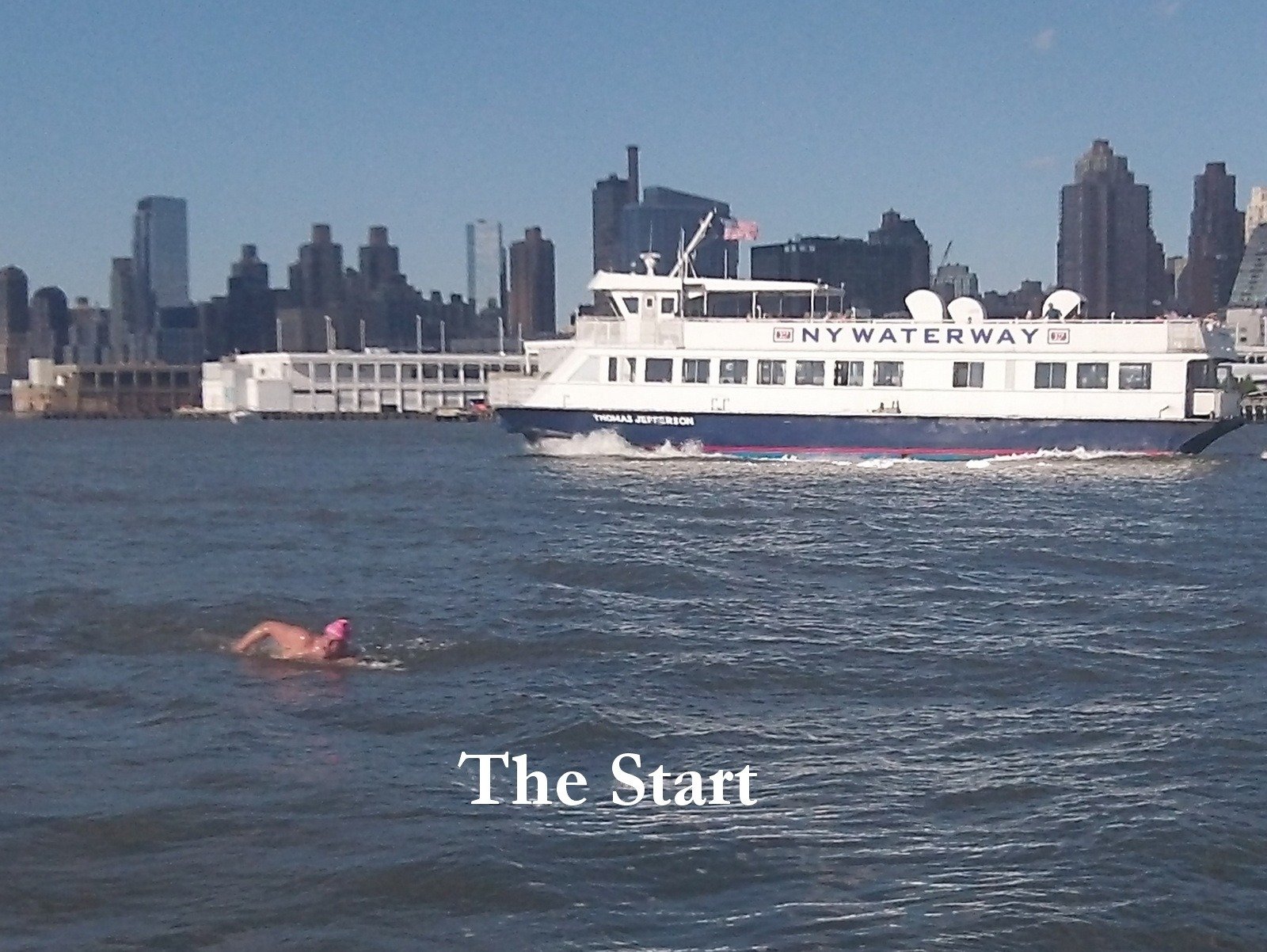
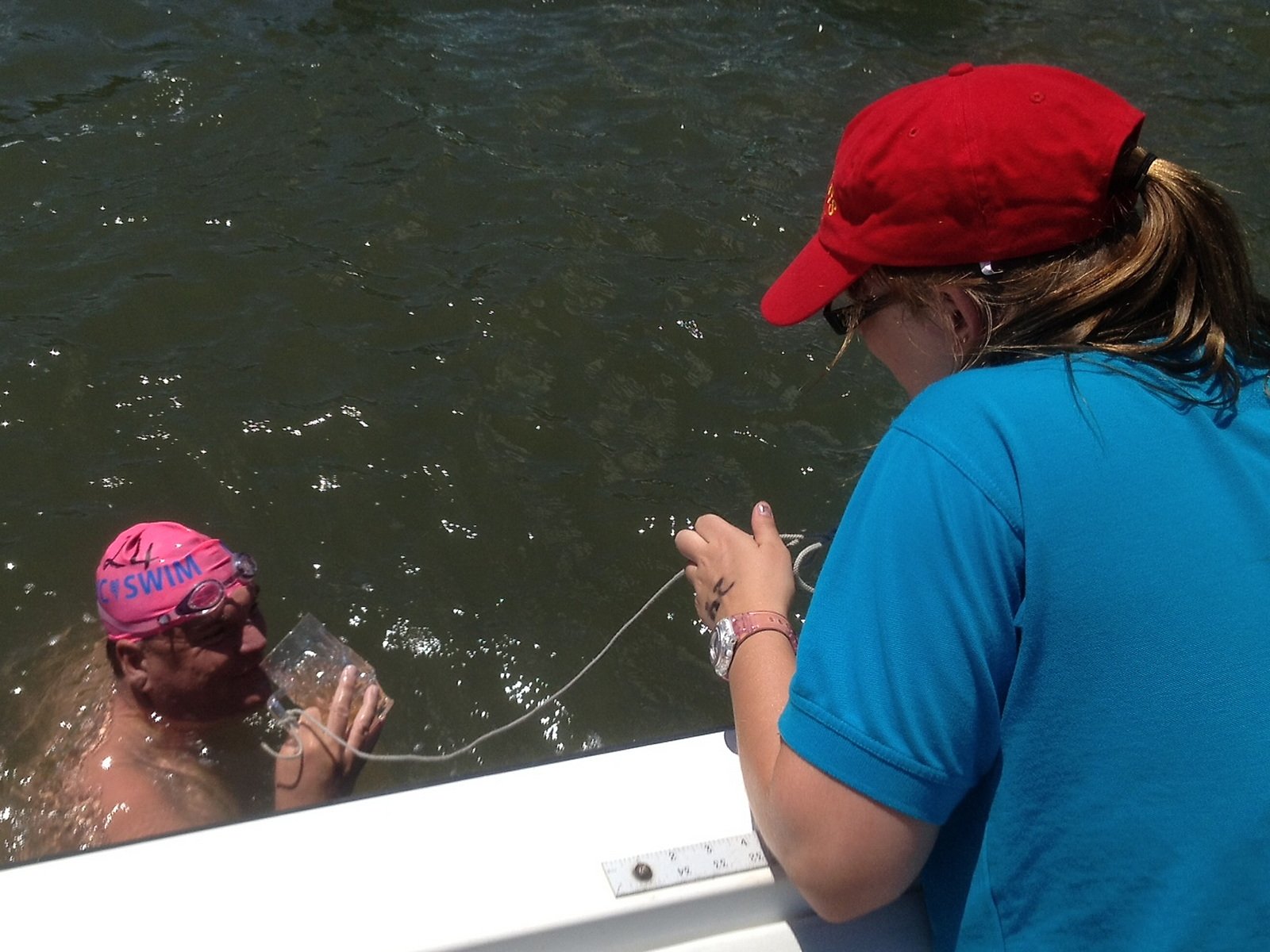
    The Manhattan Island Marathon Swim was a 28.5-mile circuit of Manhattan. On the shore, Manhattan is skyscrapers, traffic and noise. From the water, it reveals itself as an island. Manhattan is my first race, my first overseas swim and where a solo challenge becomes a family adventure.

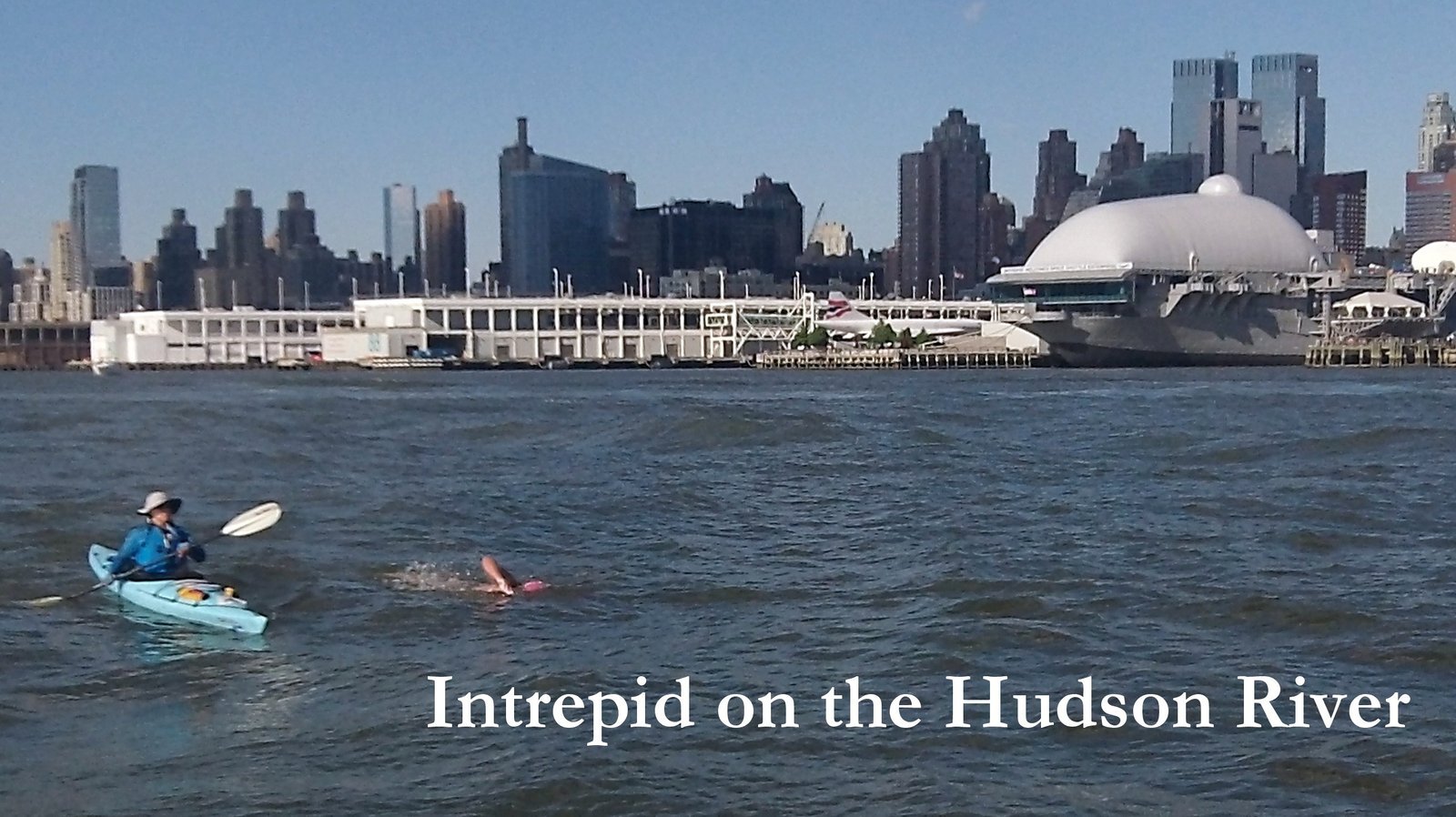
    The swim follows an anti-clockwise route, beginning in the East River, which connects New York Harbour to Long Island Sound. Strong currents propel swimmers beneath bridges and past Brooklyn and Queens. At the turbulent Hell Gate, swimmers enter the Harlem River and the route turns west across the top of Manhattan, through what was once a mix of streams and wetlands but is now a hardened channel. The final stretch is the broad Hudson River, which separates Manhattan from New Jersey. Swimmers are pulled south back towards the starting point, completing a unique journey around one of the world’s busiest cities.

    Facts & Background

    • Distance: 28.5 miles (46 kilometres)
    • Route: Circumnavigation of the island of Manhattan, New York, USA
    • Organiser: NYC Swim, now replaced by New York Open Water
    • Cost (as at 2012): $2,000 (about £1,300)
    • Description: A full loop of Manhattan Island via the East, Harlem and Hudson Rivers.
    Map of the Manhattan Island swim route

    The first recorded completion was in 1915 by Robert W. Dowling. Over the following century, the swim became an organised race.

    Today the swim takes place as the “20 Bridges” organised by New York Open Water. It forms part of the US version of the Triple Crown of Open Water Swimming along with the English Channel and the Catalina Channel.

    Photographs from the Day

    Original Film of the Swim

    Next swim: Lake Zurich →

  • Lake Zurich – 5 August 2012

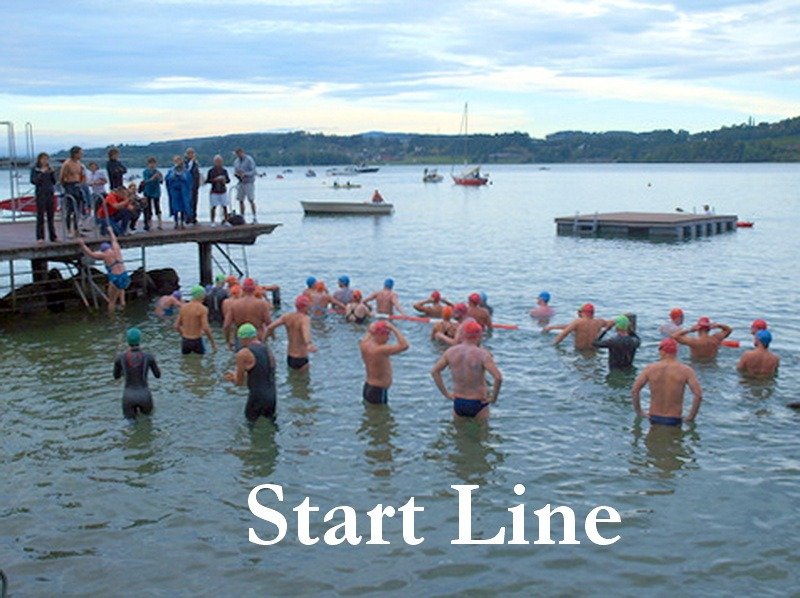
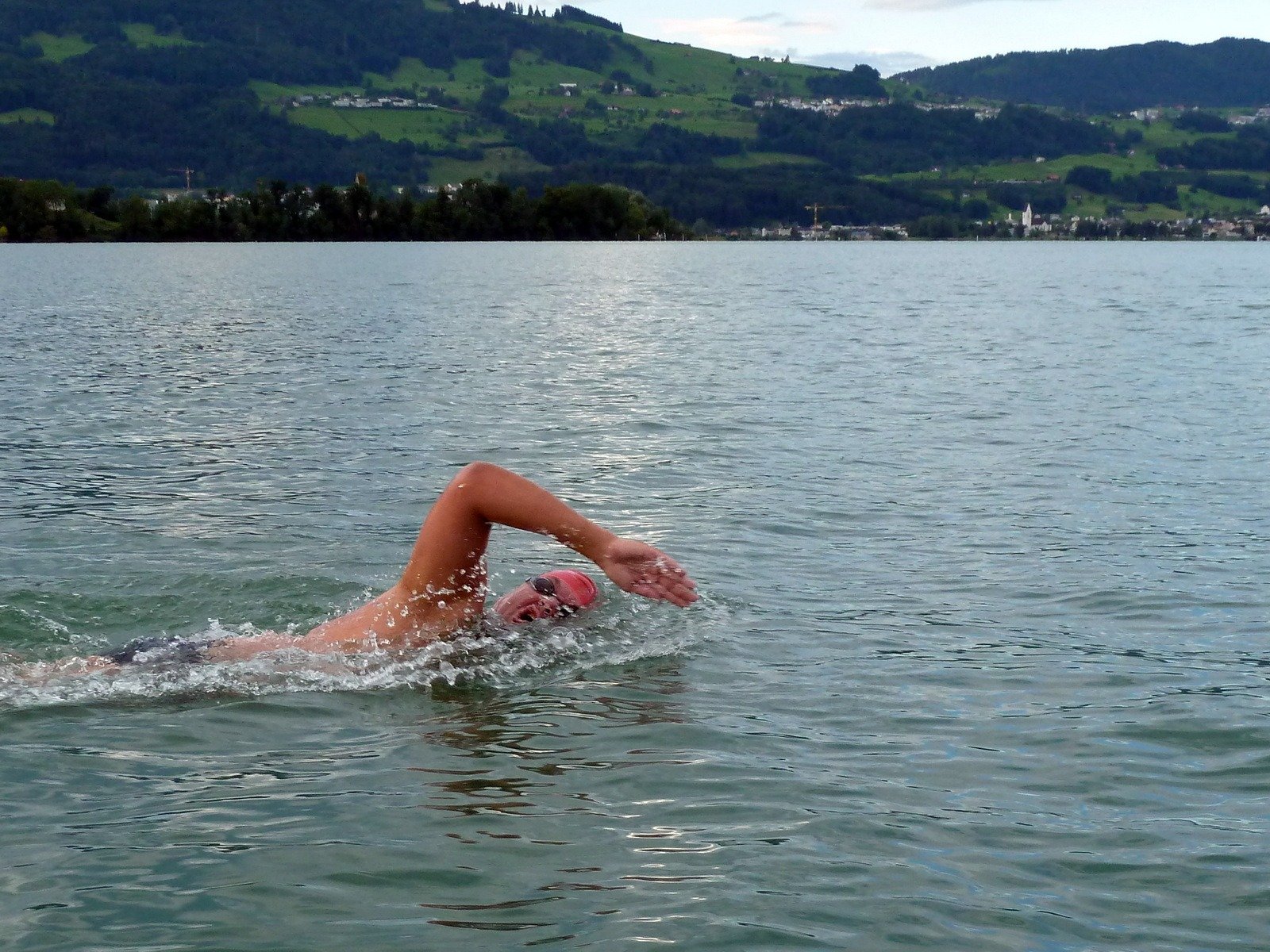
    The Lake Zurich Marathon Swim is a 26-kilometre race from the town of Rapperswil to the city of Zurich, along the length of one of Switzerland’s largest lakes. For me, Zurich is a return to the sort of water that broke me as a child. This time, I wanted to find out whether I could learn to love a lake.

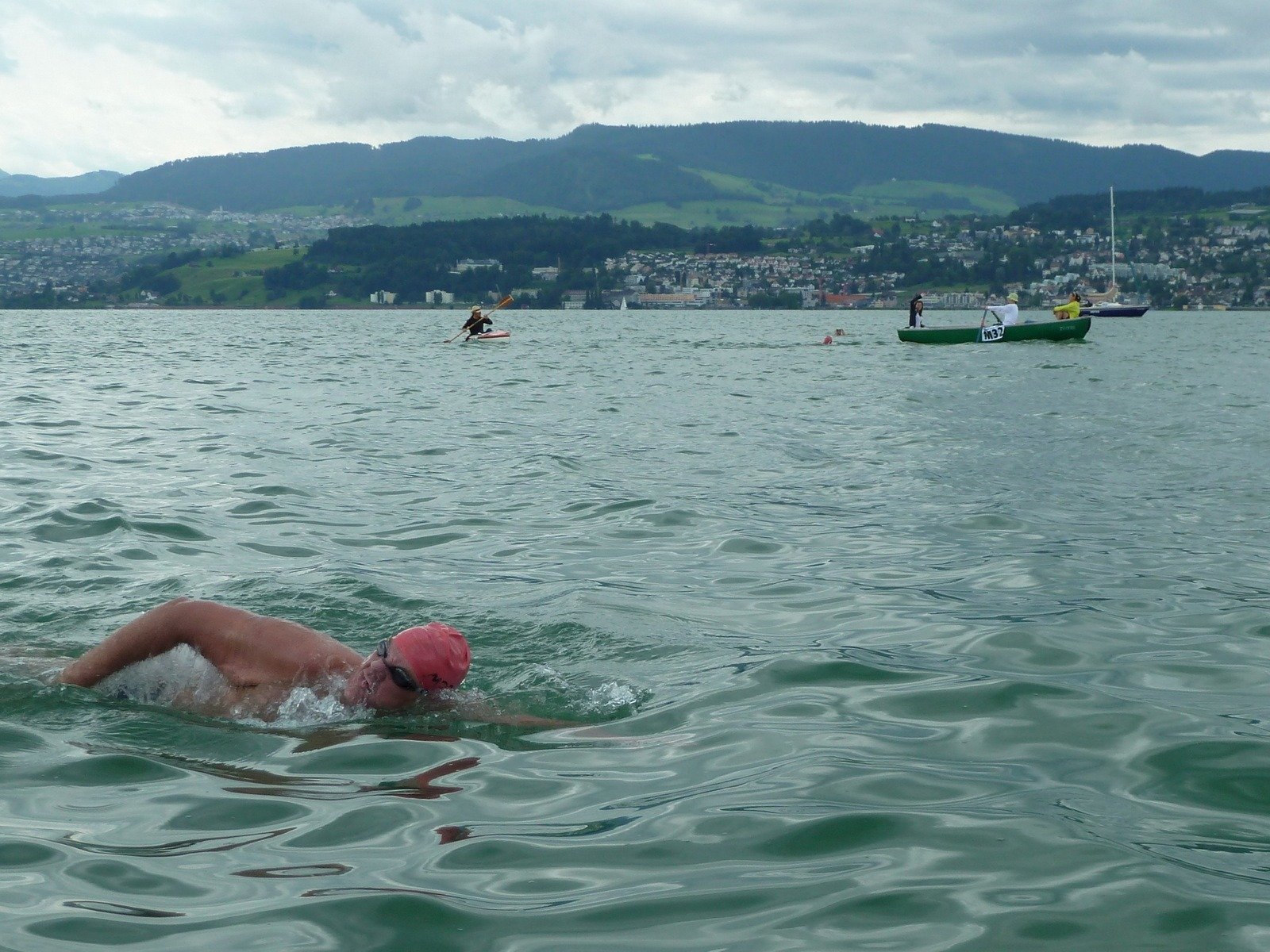
    The lake is 130 metres deep in places. The setting is beautiful, and the challenge looks simple: no tides, no shipping lanes. Start at one end, swim through alpine scenery and finish at the other.

    Facts & Background

    • Distance: 26.4 kilometres (16.4 miles)
    • Route: Rapperswil to Zurich, Switzerland
    • Organiser: Sri Chinmoy Marathon Team
    • Cost (as at 2012): 410 Swiss francs (about £280)
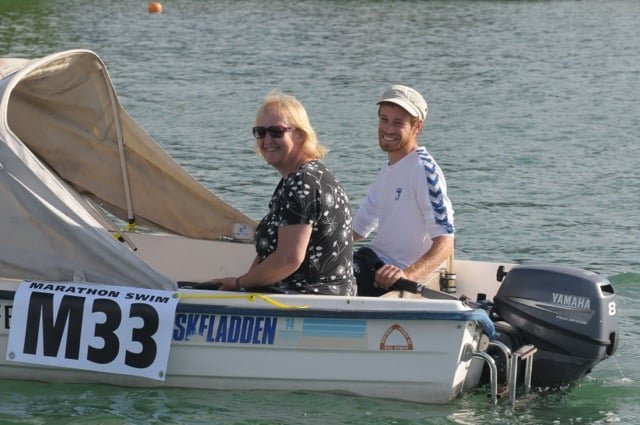
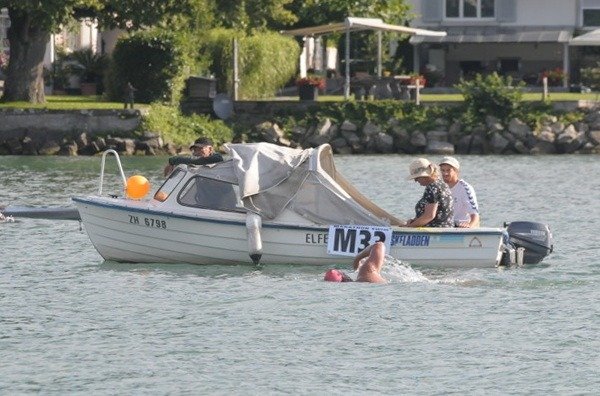
    • Description: The Lake Zurich Marathon Swim has been held since 1987 and is one of the longest regularly held open water swimming races in the world. Participation is capped, with a queuing system that rewards repeated entries. Each swimmer can choose to have a dedicated escort boat as part of the entry or provide their own.
    Map of the Lake Zurich swim route

    Photographs from the Day

    Original Film of the Swim

    I’ve kept some of the documents from the swim.

    Read the results (PDF)

    Read my original swim plan (PDF)

    Read organiser’s information (PDF)

    Next swim: Catalina Channel →

  • Catalina Channel – 25 August 2013

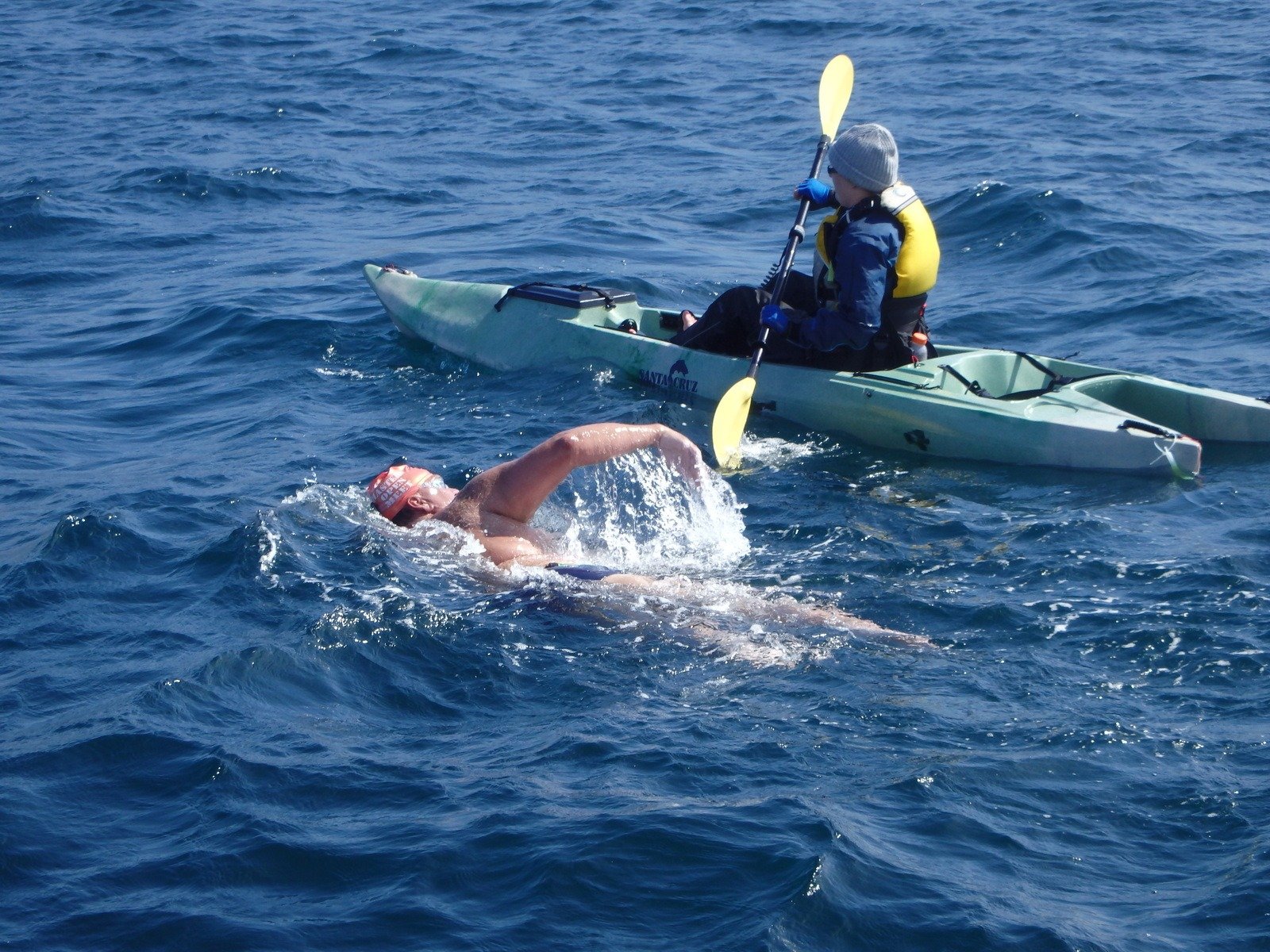
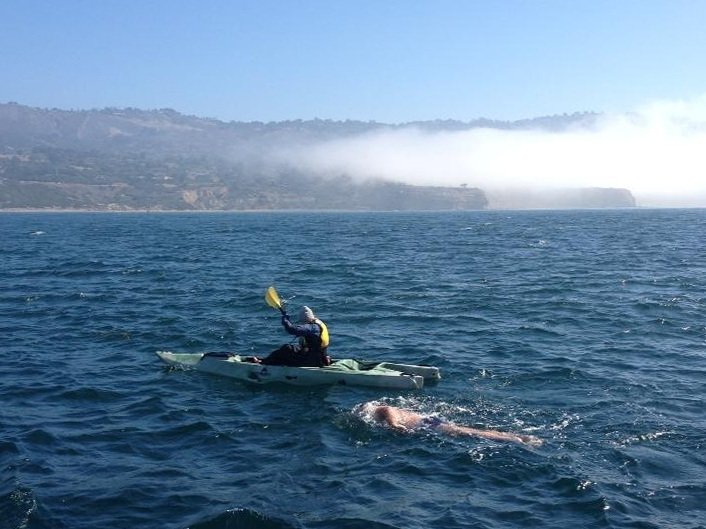
    The Catalina Channel swim is from Santa Catalina Island to the coast of Southern California, ending near Los Angeles. It’s a 20-mile crossing, similar in distance to the English Channel but exposed to the Pacific, where the water can reach 900 metres deep. In A Life Well Swum, the attempt nearly falls apart before it begins but it becomes the swim where family comes together.

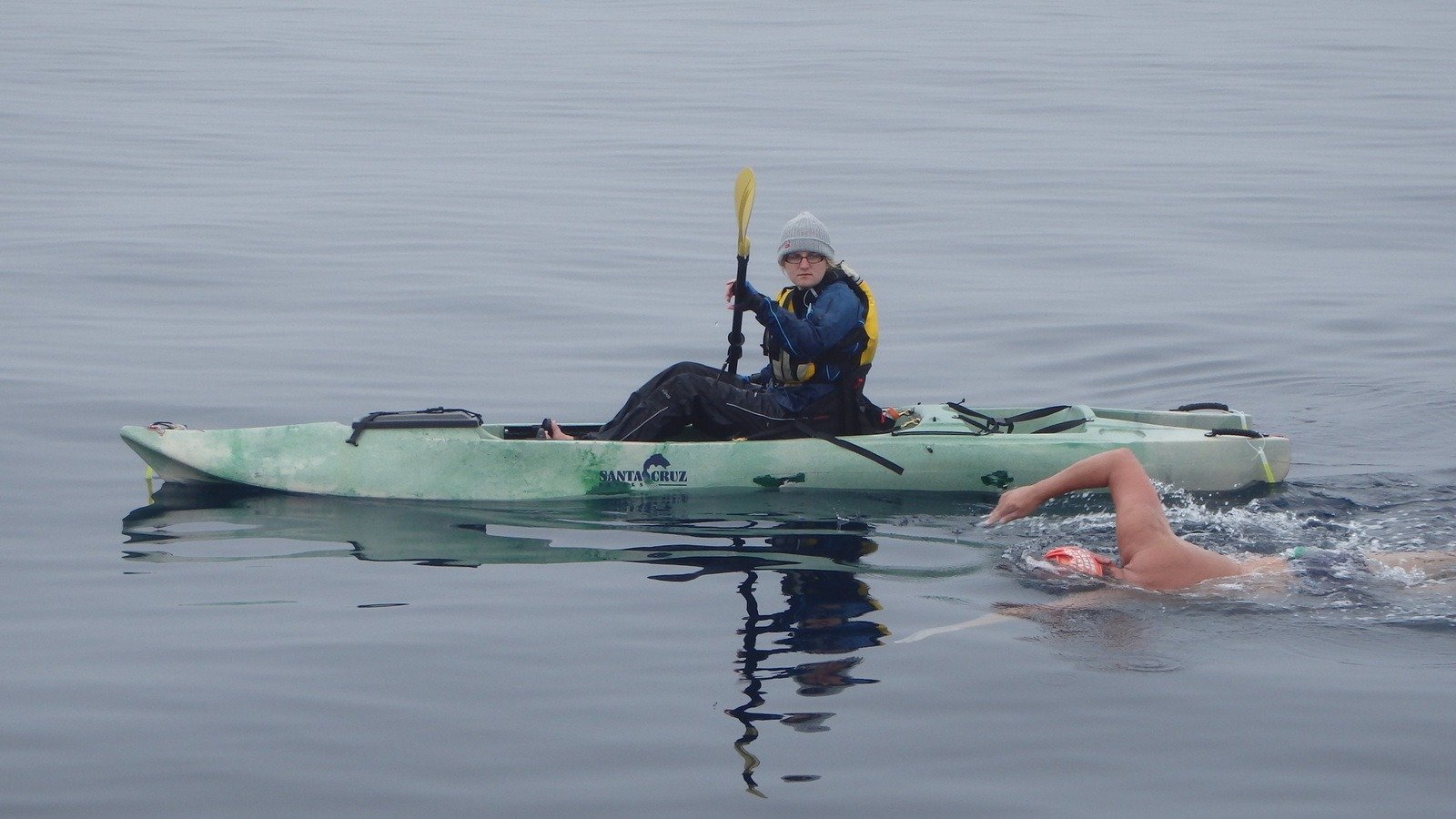
    The standard route starts from Doctor’s Cove at the top of the island and heads north towards the mainland near Point Vicente. Most Catalina swims begin in the middle of the night to finish before the afternoon winds. The swimmer follows the lights of the escort through black water, aware of marine life below that cannot be seen.

    Facts & Background

    • Distance: 20 miles (32 kilometres)
    • Route: Santa Catalina Island to the mainland south of Los Angeles, USA
    • Governing body: Catalina Channel Swimming Federation
    • Cost (as at 2013): $3,000 (about £2,000), plus a $500 Federation fee
    Map of the Catalina Channel swim route

    Santa Catalina Island is southwest of Los Angeles, with around 4,000 residents. The Catalina Channel crosses the Pacific Ocean between Catalina and the mainland and is up to 900 metres deep. It is usually swum overnight, with starts around midnight to avoid the winds that rise in the afternoon.

    The first successful crossing was in 1927 by George Young, in a high-profile swim. The Catalina Channel is often described as the American counterpart to the English Channel, because of the distance, but the conditions are different. Water temperatures are warmer, but there are big ocean swells, marine life, and deep offshore waters.

    By 2013, just over 260 swimmers had completed the crossing. It forms part of the US version of the Triple Crown of Open Water Swimming along with the English Channel and Round Manhattan.

    Photographs from the Day

    I’ve kept some of the documents from the swim.

    Read my original swim plan (PDF)

    Read Observer’s report (PDF)

    Next swim: North Channel →

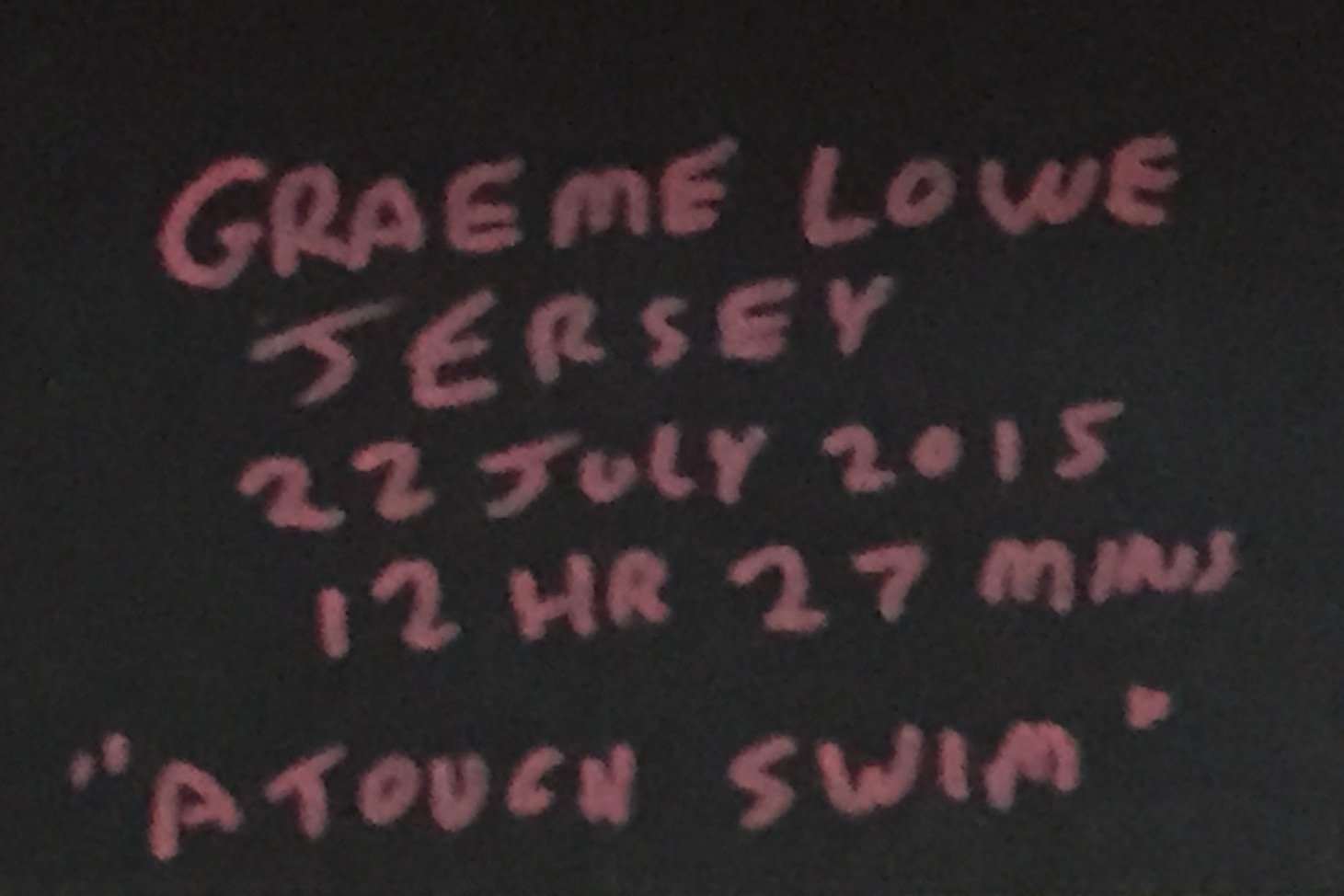
  • North Channel – 22 July 2015

    The 21-mile stretch of water between Northern Ireland and Scotland. My last Big Swim, the one that demanded the most, but, strangely, gave me the most.

    Similar in length to the English Channel, the North Channel presents a very different challenge: colder water, powerful tides and large numbers of jellyfish.

    When I swam it in 2015, fewer than thirty swimmers had completed the crossing.

    Facts & Background

    • Distance: 21 miles (34 kilometres)
    • Route: Northern Ireland to Scotland
    • Governing body: Irish Long Distance Swimming Association
    • Cost (as at 2015): £2,700 pilot fee, plus £400 governing body fee
    Map of the North Channel swim route

    The first successful crossing was made by Tom Blower in 1947. For decades afterwards, completions were extremely rare.

    Water temperatures are between 11 and 14 degrees, even in summer.

    By 2015, fewer than 30 swimmers had completed it. Since then, the number of crossings has significantly increased, partly due to its inclusion in the Oceans Seven challenge.

    The North Channel is similar in length to the English Channel but is regarded as the most difficult of the major Channel swims. Swims typically start from the County Down coast near Donaghadee in Northern Ireland and finish on the southwest coast of Scotland, most often at Portpatrick.

    Photographs from the Day

    Original Film of the Swim

    I’ve kept some of the documents from the swim, including the plan I prepared beforehand and the write-up I made immediately afterwards.

    Read original swim plan (PDF)

    Read post-swim write up (PDF)
    Next swim: Ice Mile →

  • Ice Mile – 3 February 2018

    The Ice Mile is part of the story, but the distance is short, only one mile. The challenge is in the cold. The water must be 5 degrees or below. An Ice Mile was one last adventure, a chance to see whether I could still push myself to my limits.

    The swimmer is only allowed a standard costume, a thin cap and goggles. Wetsuit and neoprene aren’t allowed. At that temperature, it becomes a race to get to the finish before the cold gets to you.

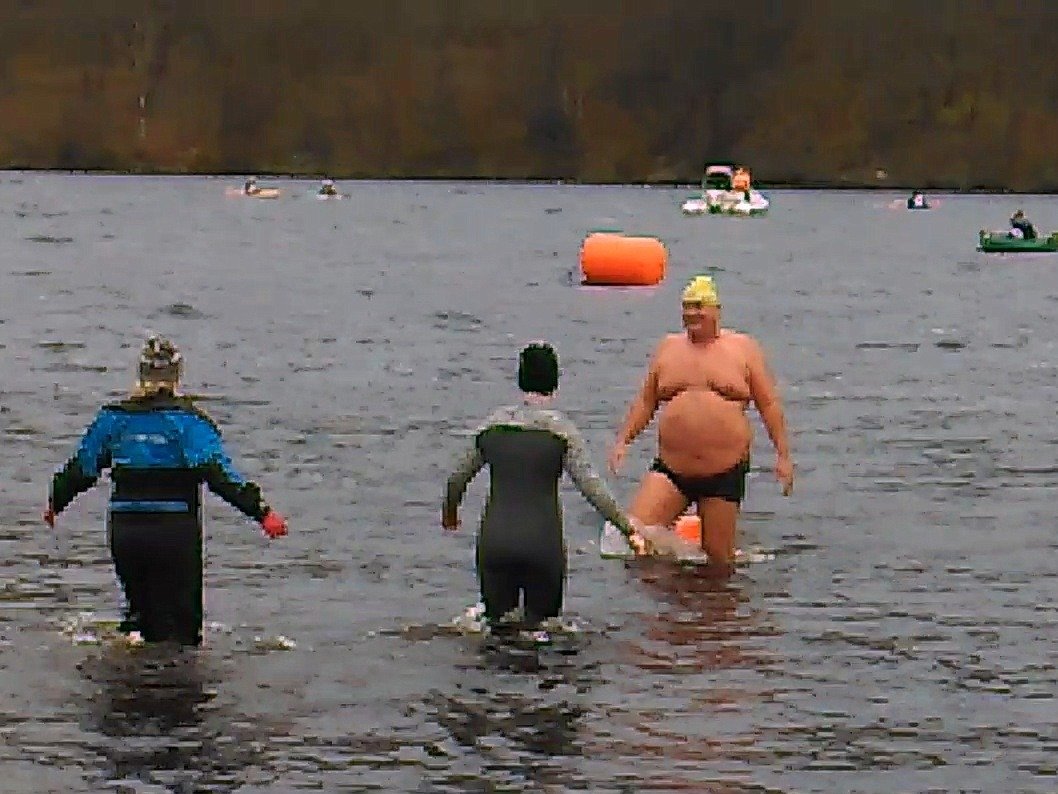
    My Ice Mile was in Lough Dan, near Dublin, Ireland.

    Facts & Background

    • Distance: 1 mile (1.6 kilometres)
    • Governing body: International Ice Swimming Association
    • Cost: Event-based entry fee

    An Ice Mile is defined as a one-mile swim in water 5 degrees or below, completed without thermal protection. The Ice Mile is a test of cold tolerance rather than distance. Strict safety protocols are followed, including medical oversight.

    The swim was formalised in the early 2010s. By the end of 2017, just over 300 official Ice Miles had been completed worldwide. By the mid-2020s, the number exceeded 600, though it is still one of the most extreme challenges in open water swimming.

    Photographs from the Day

    Organiser’s Film of the Swim

    Back to the swim stories