SwimQuest interviewed me about A Life Well Swum, from the challenges of the North Channel to the pleasures of swimming simply for enjoyment.
We also revisited my trip to Mathraki in 2014, which helped me rediscover the pleasure of swimming without worrying about distances or times. One unexpected discovery was that I’m one of the swimmers featured in SwimQuest’s logo, based on an underwater photograph taken during that first trip.
The interview also covers swimming in Jersey and why, these days, the bacon roll afterwards matters more than the metres.
Long-time supporter of Jersey swimming Richard Collinson mentioned A Life Well Swum in his Jersey Evening Post column celebrating the strength of water sports in the Island. Richard was part of my early swimming days and has followed Jersey swimming for many years, so it was particularly pleasing to see him highlight both the book and the contribution my family has made to the local swimming community. He also noted the positive reviews the book has received, including its description as a “touching inspirational memoir”.
ARTICLE
Jersey Evening Post – 3 Sep 2026
Published in the Jersey Evening Post, 3 September 2026.
Counterview, an India-based open forum news and opinion blog, has published a piece on A Life Well Swum by freelance journalist and former English Channel swimmer Harsh Thakor. It’s particularly pleasing to see a story rooted so strongly in Jersey making waves internationally and reaching readers in India.
The article has also appeared on another Indian site and been translated into Portuguese on a Brazilian site.
The Jersey Evening Post featured A Life Well Swum, tracing my journey from childhood swims in Jersey to the English Channel and North Channel. This is a nice bit of local coverage that includes mention of the Jersey swimming community.
BBC News featured A Life Well Swum, looking at my return to long-distance swimming after a 30-year break and the journey that followed, including the English Channel, Catalina, Manhattan and the North Channel.
I spoke to Elisa Canas on BBC Radio Jersey about A Life Well Swum, from returning to swimming in my 40s and taking on the English and North Channels to learning to depend on others and discovering the importance of the swimming community. We also talked about what the sea has meant to me throughout my life and why the book became about much more than swimming.
The Daily News of Open Water Swimming featured A Life Well Swum ahead of its publication, describing it as “touching and telling, inspirational and informative” and “an excellent read.”
The Daily News of Open Water Swimming, 28 Jul 2026
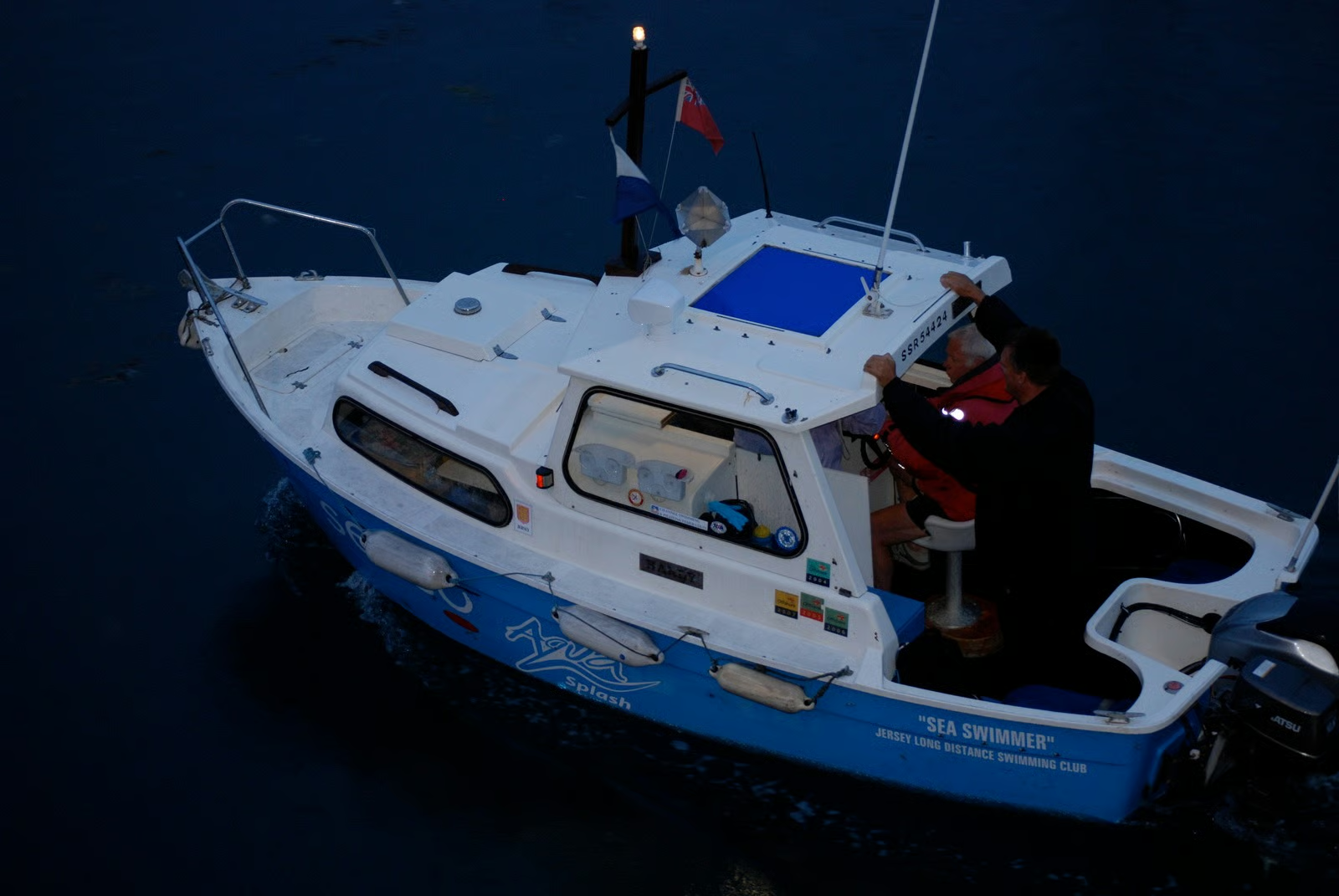
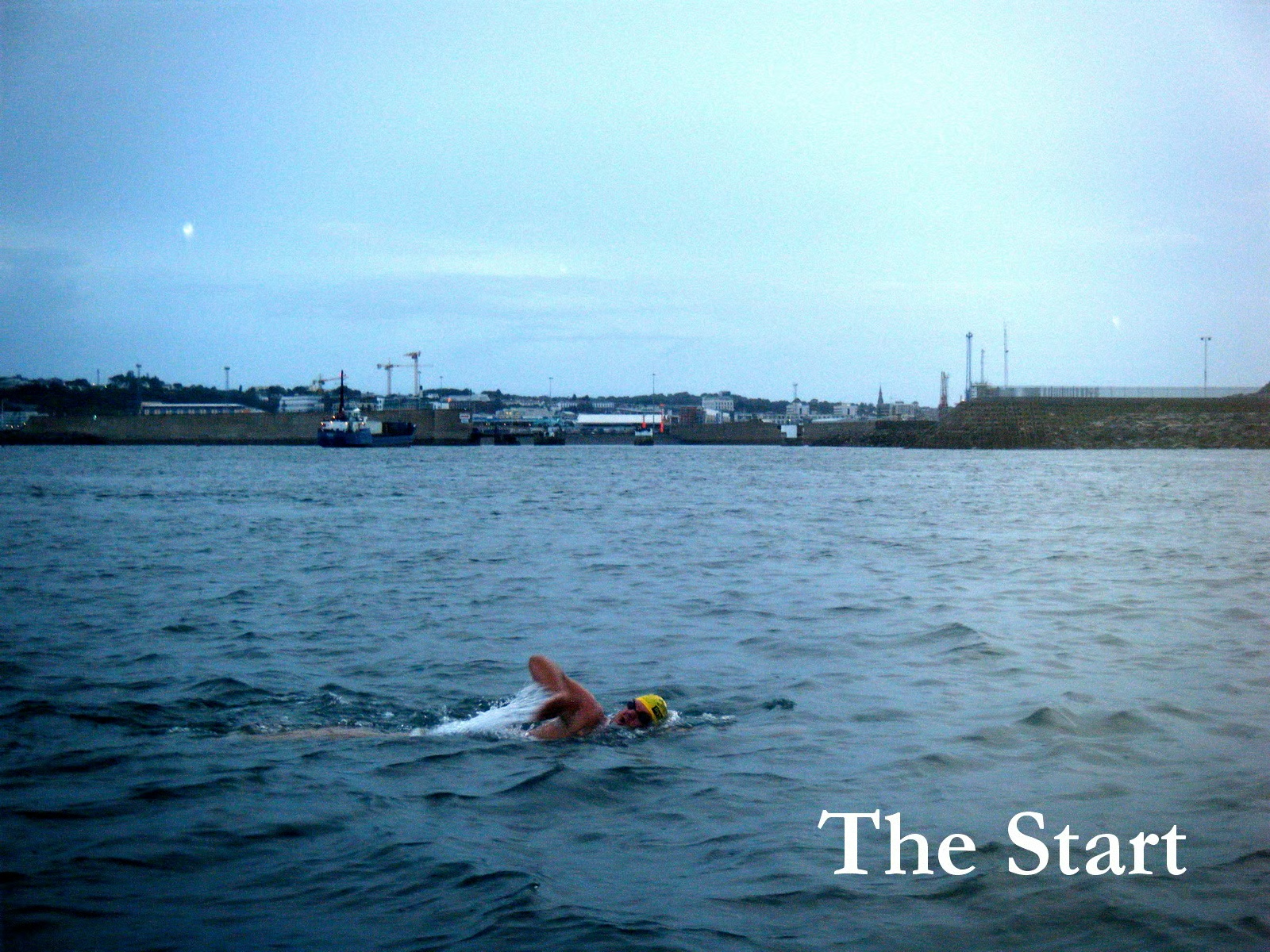
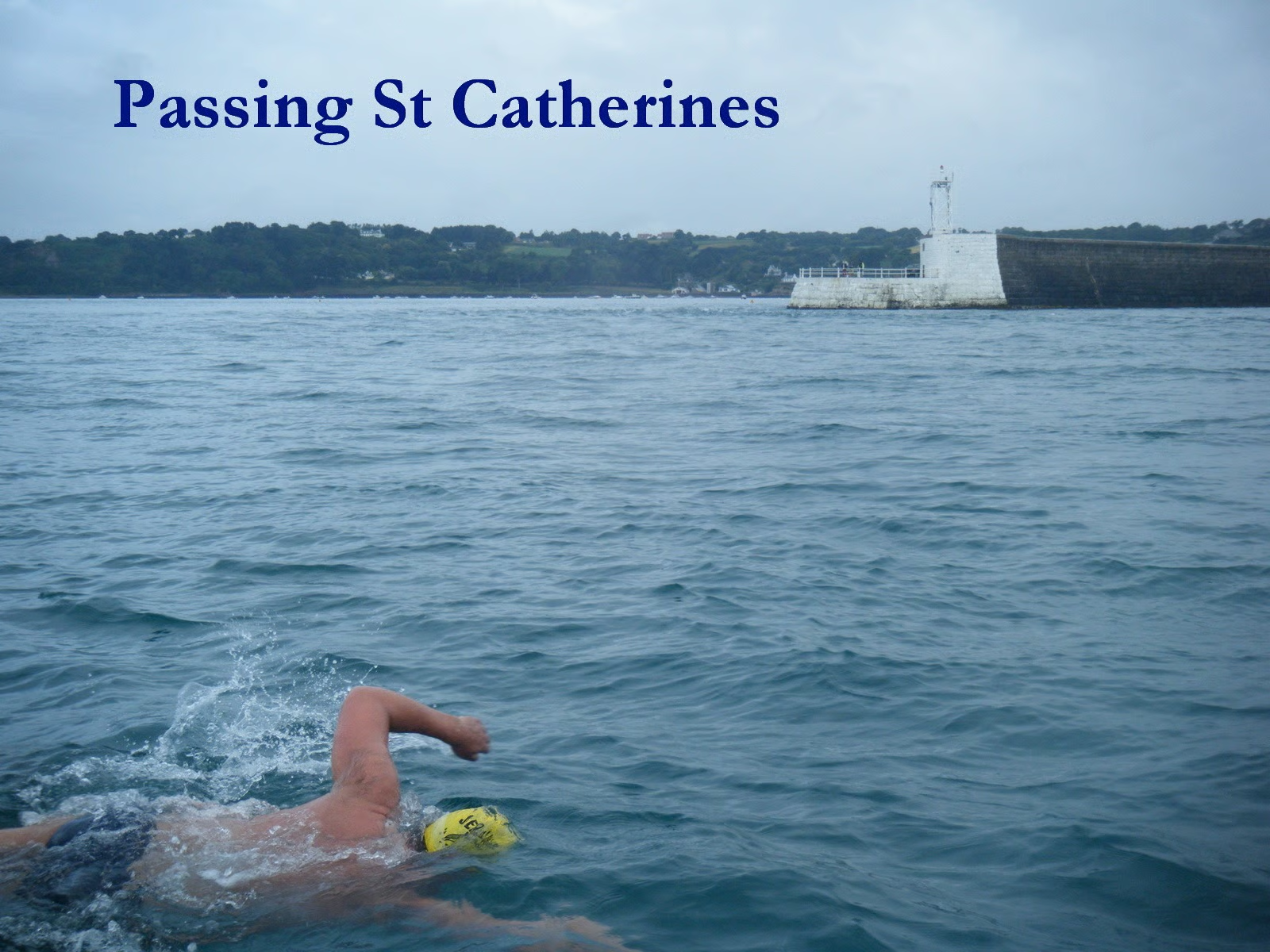
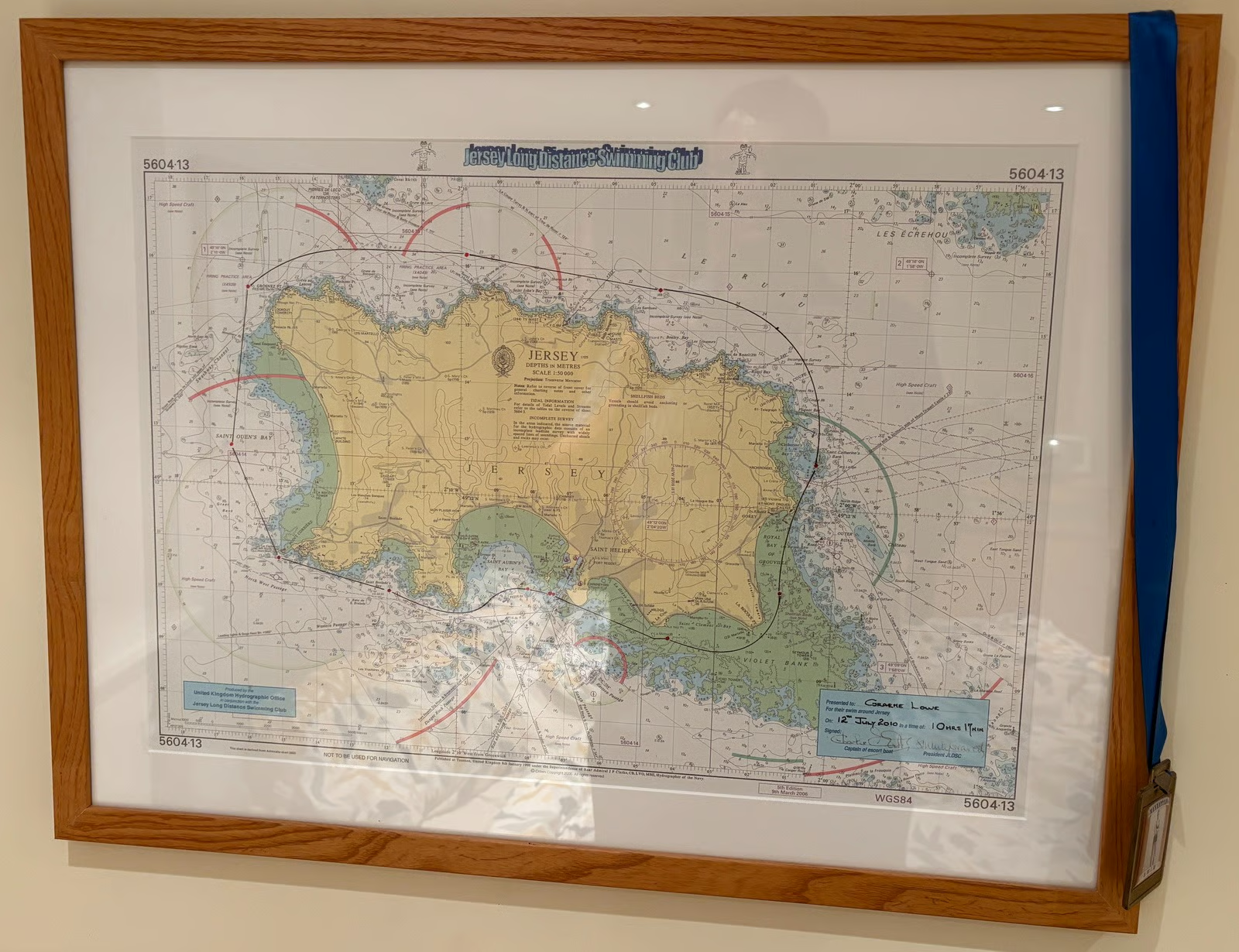
Round Jersey is a 36-mile circuit of the island, helped by the tides. Serious enough to command respect, it was the perfect preparation for the English Channel. It was the first of my Big Swims, the one that tested whether my dreams were still possible.
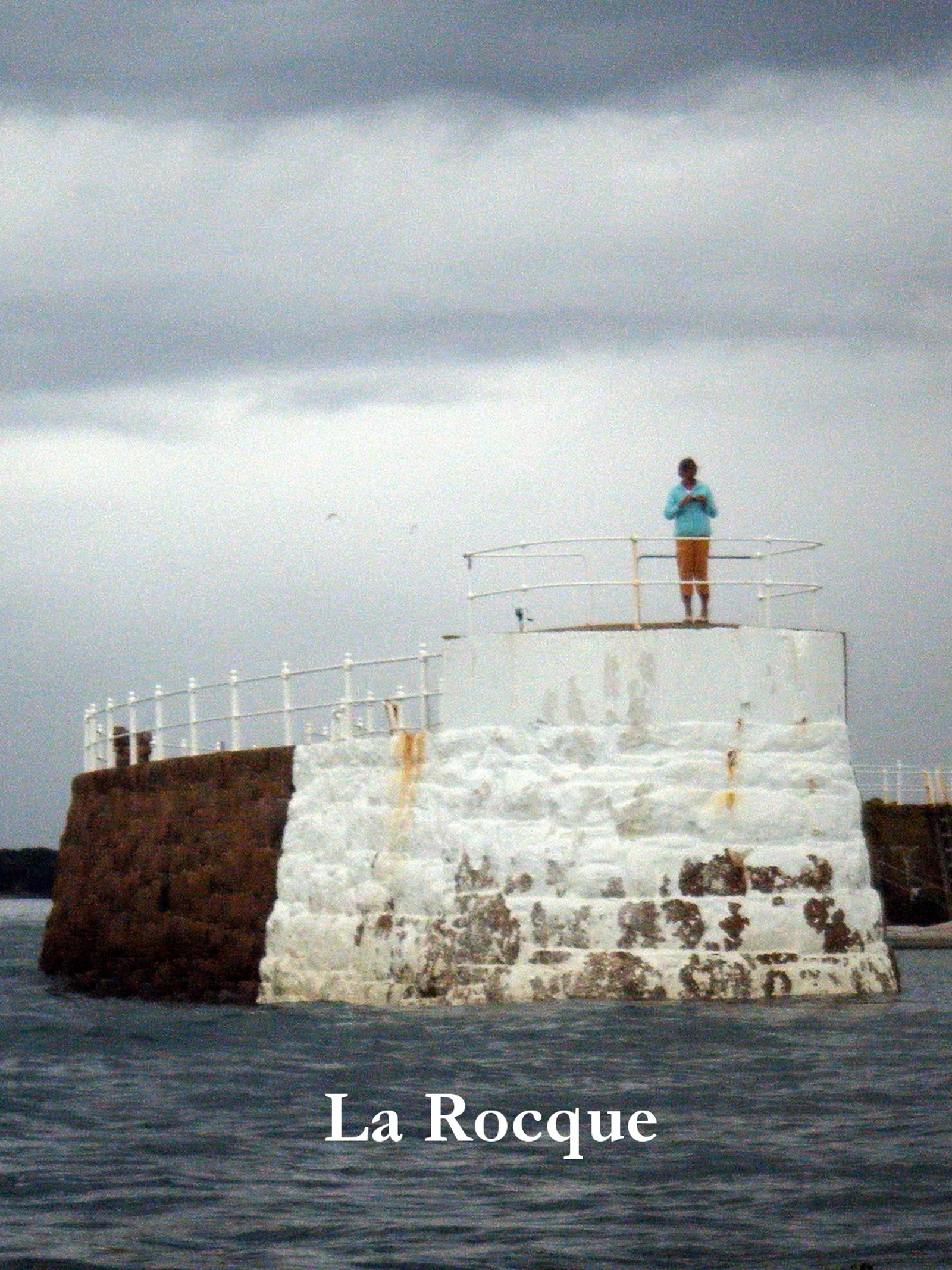
The route is anti-clockwise with the start needing high water to clear the south coast’s rocks. The first target is La Rocque. Get there late and the tide will have turned against you. The day continues in the same way, with the swimmer racing each turn of the tide.
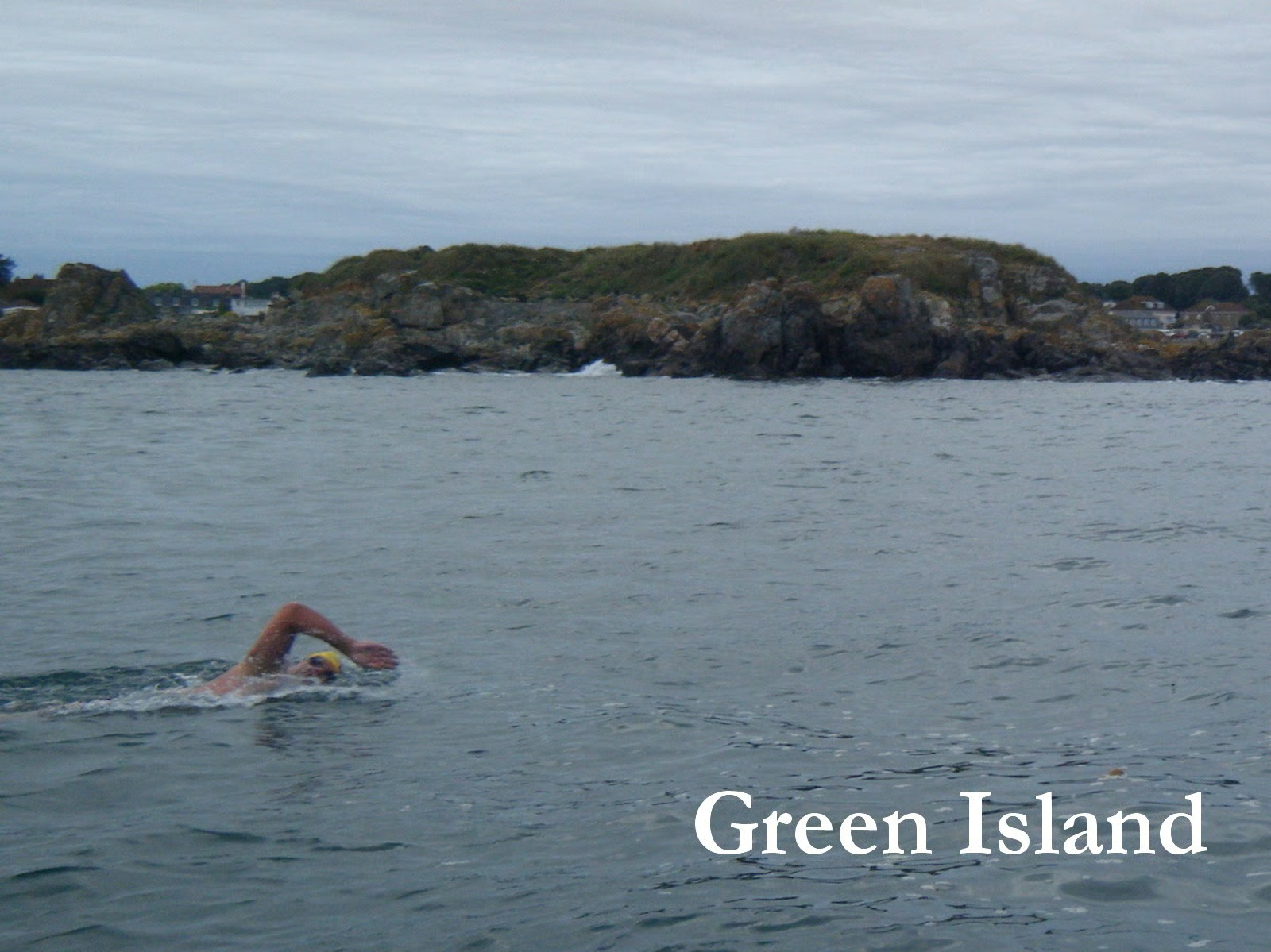
Unlike many long distance swims this route remains close to land for much of its length. Swimmers are rewarded with spectacular views of historic castles, towering cliffs and beautiful bays. Another unique feature is that supporters can follow the swim from numerous vantage points around the island, sharing in the experience.
Facts & Background
Distance: Tide-assisted 36 miles (58 kilometres)
Route: Circumnavigation of Jersey, Channel Islands
Governing body: Jersey Long Distance Swimming Club
Cost (as at 2010): £700 for pilot and escort boat
Round Jersey usually starts and finishes at the Elizabeth Castle Breakwater near St Helier.
The swim was first done in 1969 by Denize Le Pennec. Completion times are from nine and a half to thirteen hours. By 2010, just over 60 solo swims had been completed.
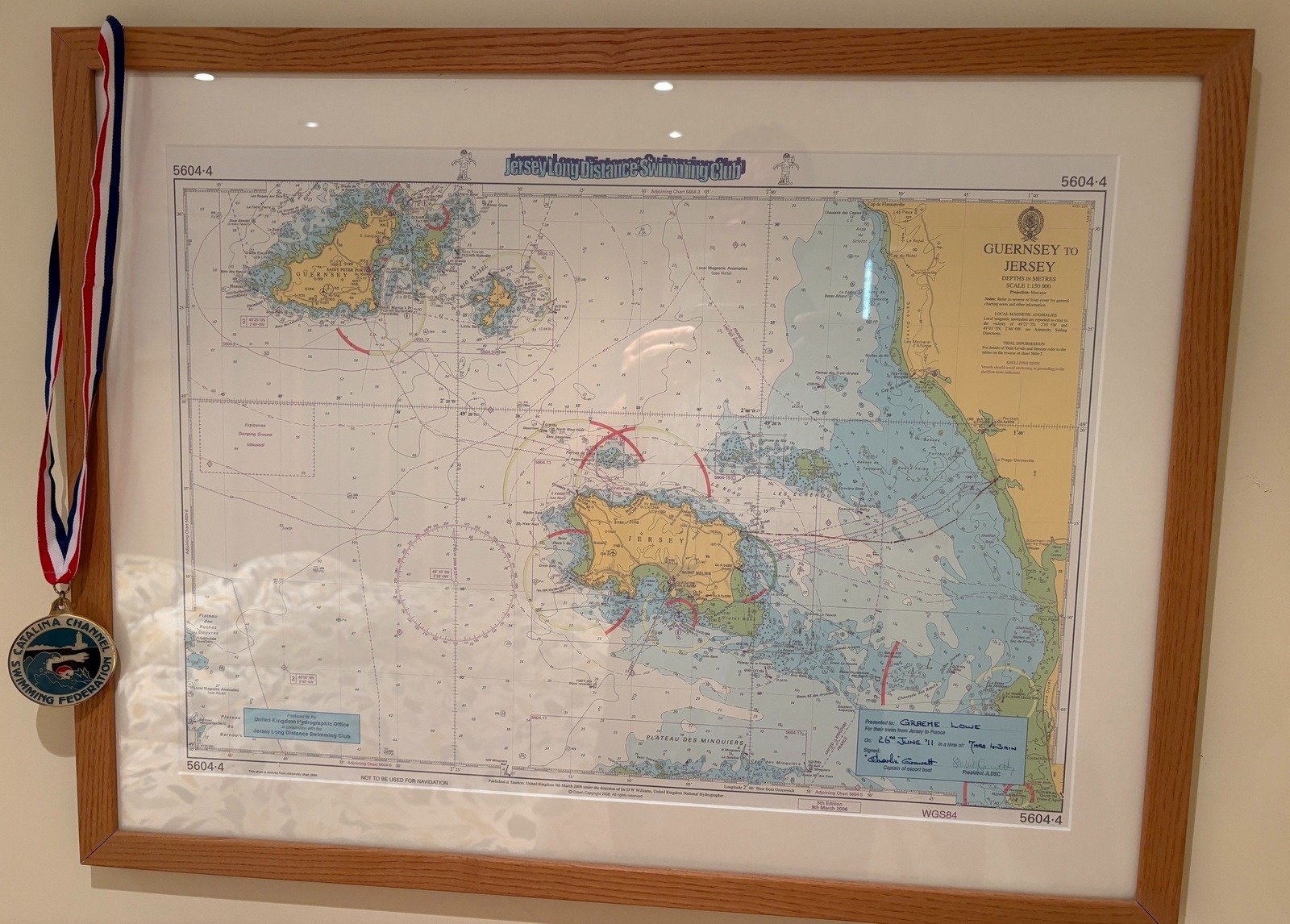
Jersey to France is a 14-mile crossing, shorter than the English Channel, but with the same beach start, open water and a landing on the French coast.
It was my risky final test before the English Channel: perhaps too close to the attempt, and too far a swim so soon beforehand.
Thousands of years ago, when sea levels were lower, you could walk the route. Today, the crossing provides a natural stepping stone for swimmers preparing for the English Channel.
Facts & Background
Distance: 14 miles (22 kilometres)
Route: Jersey to the Normandy coast of France
Governing body: Jersey Long Distance Swimming Club
Cost (as at 2011): £700 for pilot and escort boat
The swim begins at La Coupe, the closest point on Jersey to France. Although France lies almost directly east, the tides create a broad curved track, pushing the swimmer southwards and then northwards as the current turns.
The first successful crossing was made in 1966 by Denize Le Pennec. Sally Minty-Gravett and her brother crossed in 1978, followed in 1979 by Debbie Banks, my childhood training partner. Then came a gap of 25 years before swimmers began tackling the crossing again.
By 2011, only 16 swimmers had completed it. In recent years, the number of swims has increased significantly, with well over 100 crossings recorded at the time of writing.
To provide the best experiences, we use technologies like cookies to store and/or access device information. Consenting to these technologies will allow us to process data such as browsing behavior or unique IDs on this site. Not consenting or withdrawing consent, may adversely affect certain features and functions.
Functional
Always active
The technical storage or access is strictly necessary for the legitimate purpose of enabling the use of a specific service explicitly requested by the subscriber or user, or for the sole purpose of carrying out the transmission of a communication over an electronic communications network.
Preferences
The technical storage or access is necessary for the legitimate purpose of storing preferences that are not requested by the subscriber or user.
Statistics
The technical storage or access that is used exclusively for statistical purposes.The technical storage or access that is used exclusively for anonymous statistical purposes. Without a subpoena, voluntary compliance on the part of your Internet Service Provider, or additional records from a third party, information stored or retrieved for this purpose alone cannot usually be used to identify you.
Marketing
The technical storage or access is required to create user profiles to send advertising, or to track the user on a website or across several websites for similar marketing purposes.